Air Duct Maintenance Tips That Keep Your Home's Air Cleaner
A professional cleaning gives you a fresh start, but what you do in the months that follow decides how long that clean air lasts. These are the same air duct maintenance habits our technicians recommend to homeowners across Newton, MA, laid out in plain language you can actually put to use.
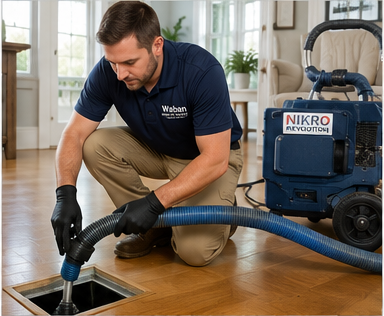
Air ducts are one of the hardest-working systems in your house and one of the least visible, which is exactly why they get neglected. Every cubic foot of air your furnace or air conditioner moves passes through that ductwork before it reaches your lungs, so the cleaner you keep it, the healthier and more efficient your whole home becomes. The good news is that most of the work is simple, inexpensive, and well within reach of any homeowner. You do not need to be handy, and you do not need special tools. You just need a routine.
Below we walk through the maintenance steps that matter most, roughly in the order of how much impact they have. Think of the first few as non-negotiables and the rest as ways to squeeze even more life out of the air quality you paid for. If you keep up with even half of this list, you will stretch the time between professional cleanings, lower your energy bills, and breathe noticeably cleaner air through every Massachusetts season.
Six Air Duct Maintenance Habits Worth Building
Small, repeatable actions beat one big cleanup every time. Start here.
-
1. Change your air filter on schedule
This is the single most important thing you can do. A clogged filter lets dust bypass the system and settle in the ducts. Check it monthly and replace a standard 1-inch filter every 60 to 90 days, sooner if you have pets or allergies.
-
2. Vacuum your vents and registers
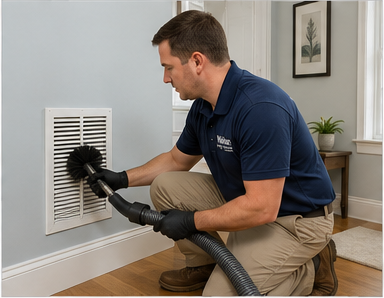
Once a month, run a vacuum brush attachment over supply and return grilles. Pull off a few register covers a couple of times a year and vacuum as far in as you can reach to stop buildup at the entry points.
-
3. Keep return vents clear
Furniture, rugs, and drapes pushed against a return vent choke airflow and force the system to pull harder. Leave a clear gap around every return so air moves the way it was designed to.
-
4. Control indoor humidity
Damp air feeds mold inside ductwork, a real concern in humid New England summers. Aim for 30 to 50 percent relative humidity and run a dehumidifier in basements that tend to hold moisture.
-
5. Dust and clean the house regularly
The less dust floating around your living space, the less gets pulled into the return vents and deposited in the ducts. Regular dusting and vacuuming with a HEPA-equipped machine keeps the whole cycle cleaner.
-
6. Schedule a professional cleaning every 3 to 5 years
Maintenance slows buildup but cannot reach deep into the trunk lines. Plan a professional source-removal cleaning every few years, and sooner after a renovation, a new pet, or a move-in.
How to Pick the Right Air Filter for Your System
Filters are rated by MERV, a number that tells you how fine the filtration is. Higher is not always better, so match the filter to your system.
MERV 8 to 11
The sweet spot for most Newton homes. Captures dust, pollen, and pet dander without straining a standard residential blower.
MERV 12 to 13
Good for allergy or asthma households, but confirm your system can handle the tighter weave before upgrading.
Watch the Fit
A filter that is too restrictive or the wrong size lets air sneak around the edges. Size and seal matter as much as the rating.
An Air Duct Maintenance Schedule by Season
New England gives your HVAC system a full workout across the year, so it helps to tie maintenance to the seasons you already notice. In spring, replace your filter before pollen peaks and wipe down return grilles that collected winter dust. In summer, keep an eye on basement humidity and make sure return vents are not blocked by seasonal furniture rearranging. In fall, swap the filter again and clear any debris before the heat comes on for months. In winter, check the filter more often, because a closed-up house recirculates the same air far more than an open one does.
Tie these to something you already do, changing the clocks, closing the pool, raking leaves, and the routine sticks. When you want a deeper reset, our step-by-step cleaning process explains exactly what a professional visit adds that maintenance cannot, and our signs you need cleaning guide helps you time it.
Schedule a Professional CleaningCommon Air Duct Maintenance Mistakes
Good intentions can still cause problems. The most frequent mistake we see is running a system with no filter at all, or with a filter left in so long it has collapsed, both of which let dust pour straight into the ducts. Another is cranking the MERV rating as high as it will go, which can starve an older blower of airflow and actually reduce performance. Homeowners also tend to forget the return side entirely, focusing on the vents that blow air out while ignoring the ones that pull air in, even though the returns collect the most debris. Finally, sealing or painting over registers during a remodel traps buildup and restricts flow. If you avoid these four, you are already ahead of most homes on your street.
It is also worth remembering what maintenance cannot do. No amount of filter changing reaches the deep interior of your trunk lines, and store-bought "duct cleaning" kits barely scratch the first few inches. When buildup is already established, or when there is mold or a pest issue, that is the point to bring in professional equipment. You can read how we approach it on our services page, and what it typically costs on our pricing guide.
Air Duct Maintenance Questions
Check monthly. Replace a 1-inch filter every 60 to 90 days for an average home, every 30 to 45 days with pets or allergies, and more often during heavy heating or cooling stretches.
You can maintain the parts you reach, vents, registers, and the area just inside them, but the deep trunk lines need professional negative-air equipment for true source removal.
Yes. A clean filter and unobstructed airflow let your system reach temperature faster and run less, which shows up on your monthly heating and cooling costs.
Musty odors, visible dust at the vents, worsening allergies, or simply years since the last cleaning are the cues. Call (617) 668-1644 for a free inspection and we will give you a straight answer.